%2Ffit-in%2F250x250%2Fguide_websites%2F133768%2Fimages%2F1779506566415skifftaleslogo.png&w=1920&q=100)
Cubera Snapper Fishing in Key Largo FL
Cubera Snapper Fishing in Key Largo - What to Expect
%2F%2Fusers%2Ffebf663d-3515-48d8-91b6-4d959ebab6c1%2Fimages%2Fkey-largo-cubera-snapper-catch-2514.jpg&w=1920&q=75)
Fishing Charter by Captain Sam Carson in May
Meet your Captain Sam Carson
- Florida Keys inshore fishing guide


Summary
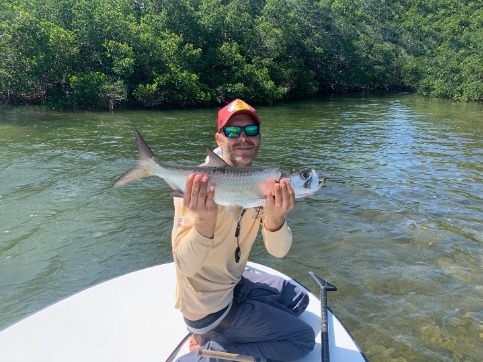
Explosive action awaits on this Friday in May during a fishing charter in Key Largo, where two anglers connected with a powerful cubera snapper. Skiff Tales delivers the kind of hard-hitting saltwater moments that get your adrenaline pumping in these legendary South Florida waters.
Fishing Charter with Captain Sam Carson - Rates & Booking
Captain Sam Carson of Skiff Tales delivered peak action on a Friday in May when two anglers locked into a hard-charging cubera snapper right in Key Largo's prime fishing grounds. This is the kind of explosive moment that defines a world-class fishing charter in one of Florida's most productive saltwater destinations.
Ready to experience that same rush? Captain Carson runs targeted fishing charters designed to connect you with premium game fish. To lock in your charter date and get details on pricing and trip inclusions, contact Skiff Tales directly. Their local expertise and proven techniques put you in position to tangle with the species that make Key Largo legendary.
Highlights of Key Largo Fishing Adventures
The catch showcased here demonstrates what's possible when conditions align and skill meets opportunity. Cubera snappers are aggressive ambush predators that strike with fury, delivering the kind of take-down moment anglers dream about. When two anglers are locked in tight and working a fish like this, the energy is pure electricity.
Key Largo's structure-rich waters hold massive cubera populations year-round. The combination of reef systems, shallow flats, and deep channels creates ideal habitat for these power-packed fish. Captain Carson knows exactly where they stage and what presentations trigger explosive strikes.
Local Species Insights: Cubera Snapper
Cubera snappers are the heavyweight champions of the snapper world, capable of reaching 130 pounds or more in Florida waters. These bruisers are explosive strike machines that don't hesitate to demolish live bait or aggressive lures. Unlike their smaller cousins, cuber as respond to bold presentations and hard-charging retrieves that trigger predatory aggression.
These fish hunt in family groups around structure, holding tight to reefs, rocks, and wreck formations where they ambush prey. They're incredibly strong right off the strike, with the power and determination to test your gear and your nerves. Hooking a cubera means bracing for impact - these fish don't tap the line gently. They explode.
Key Largo's reef and structure systems provide perfect hunting grounds for cuberas. The complex underwater landscape offers countless hiding spots where these predators stage for feeding opportunities. Successful fishing means understanding the structure, presenting bait or lures right at their strike zones, and being ready for violent action when they commit.
The experience captured in this image represents exactly what draws anglers to Key Largo year after year. It's not just about landing a fish - it's about that explosive moment of connection, the raw power transfer, and the pure adrenaline rush that comes with battling a top-tier saltwater predator. Captain Carson specializes in creating those unforgettable moments on the water.
Fishing in Key Largo: Cubera Snapper
Cubera Snapper Overview
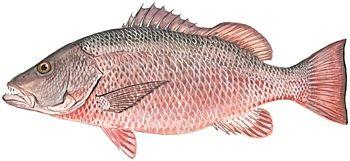
The Cubera Snapper (Lutjanus cyanopterus) is a formidable member of the Lutjanidae family within the order Perciformes, and it stands as the largest snapper species in the world. Known by several colorful aliases—dog snapper, canteen snapper, Pacific snapper, and Cuban snapper—this fish has earned a legendary reputation among anglers and recreational fishing enthusiasts worldwide. What makes the Cubera Snapper truly special is its combination of impressive size, aggressive feeding behavior, and challenging fight when hooked. These fish are native to the Atlantic, Caribbean, and Gulf of Mexico regions, and they're equally revered in coastal fishing communities from Miami to the Amazon. Their distinctive triangular vomerine tooth patch sets them apart from their gray snapper cousins, and their bluish-tinted fins hint at the meaning of their scientific name, cyanopterus, which translates to "bluefin."
Cubera Snapper Habitat and Distribution
Cubera Snappers thrive in a diverse range of marine and brackish environments throughout the western Atlantic Ocean, Caribbean Sea, Brazil, Gulf of Mexico, and even the Amazon River system. These fish show a strong preference for rocky ledges, coral reefs, and structure-rich areas where they can hunt and hide. Juveniles typically inhabit inshore mangrove areas, seagrass beds, and freshwater canals where they can escape from larger predators like whale sharks, barracudas, and moray eels. Adults migrate to deeper offshore waters, typically found at depths ranging from the surface down to 180 feet, though they're most commonly encountered between 100 and 150 feet. The species' native habitat spans from warm tropical and subtropical waters, making them year-round residents in the Caribbean and Gulf of Mexico regions.
Cubera Snapper Size and Weight
The Cubera Snapper lives up to its reputation as a heavyweight champion of the snapper world. While the average catch weighs around 40 pounds and measures approximately 36 inches in length, these fish can grow substantially larger. Maximum recorded specimens have tipped the scales at up to 126 pounds and stretched to an impressive 63 inches long. Their elongated, slender bodies have an almond-like shape that belies their considerable weight—a 60-pound Cubera Snapper is a trophy catch that anglers will remember for a lifetime. Size varies considerably based on age, habitat quality, and food availability, with older fish from established reef systems consistently producing the largest individuals.
Cubera Snapper Diet and Behavior
These apex predators are aggressive hunters with a menu focused on protein-rich prey. Cubera Snappers love to feast on crabs, lobsters, and ray-finned fishes, and they actively hunt near reef and rocky areas where such prey concentrates. Their large mouths and prominent canine teeth are perfectly adapted for crushing hard-shelled crustaceans and subduing live fish. The species exhibits strong territorial behavior, particularly around reef structures, and they're known for their bold feeding strikes. Young Cubera Snappers display a distinctive purplish-brown coloration that helps them blend into mangrove environments, while adults develop pale to dark gray or dark brown sides with occasional reddish hues. Their interactions with humans are almost exclusively predatory in nature—they view anglers as competitors for food rather than threats, making them eager strikers when presented with appropriate bait or lures.
Cubera Snapper Spawning and Seasonal Activity
The Cubera Snapper spawning season occurs offshore during the warmer months, specifically from May through August. During this period, these fish move to shallow offshore waters to reproduce, and they become particularly vulnerable to overfishing pressure. This seasonal aggregation is well-documented by the International Union for Conservation of Nature and Natural Resources (IUCN), which has classified the species as "vulnerable" due to historical overfishing, especially during spawning season. The newly spawned juveniles face significant predation from larger marine species as they drift into inshore nurseries. While Cubera Snappers can technically be fished year-round for both commercial and recreational purposes, conservation-minded anglers often avoid targeting them during the May-August spawning window to support population recovery efforts.
Cubera Snapper Techniques for Observation or Capture
Live Bait Method: The most effective technique for catching Cubera Snappers involves using live medium-sized fish as bait—skipjack tuna is a particularly excellent choice. Cast your live bait near rocky structures and reef formations at depths between 100 and 150 feet. When you get a strike, be prepared for an explosive take-down; these fish hit hard and immediately attempt to return to cover. Hook sets must be firm and immediate, and you'll need heavy tackle and strong arms to prevent the fish from reaching the reef and breaking free. Around the Caribbean islands and Gulf of Mexico hotspots, early morning and late afternoon hours typically produce the best action.
Iron Jig with Squid: A more technical approach involves working iron jigs tipped with fresh squid near rocky bottom structures. Drop the jig to the bottom, then work it with sharp upward jerks, creating an enticing presentation. This method allows you to cover water quickly and locate where fish are concentrated. When a Cubera Snapper strikes, maintain contact and be ready for an intense battle; these fish are strong fighters that will test your equipment and endurance.
Timing and Location Strategy: Overcast days and periods of tide movement often produce better results than calm, sunny conditions. Focus your efforts on areas with significant bottom relief—the more rocks and reef structure, the better. In Florida's waters, popular offshore fishing grounds like the drop-offs near Miami and the reefs of the Florida Keys consistently produce excellent Cubera Snapper opportunities, particularly during early summer months before the peak spawning aggregation arrives.
Cubera Snapper Culinary and Utilization Notes
While Cubera Snappers are prized game fish, anglers should approach consumption with caution. The species can occasionally carry ciguatera toxins acquired from dinoflagellates and other algae or corals consumed during their feeding. This naturally occurring toxin cannot be detected by taste, smell, or appearance, and it causes ciguatera poisoning in humans, resulting in gastrointestinal and neurological symptoms that can persist for months. Larger, older fish carry greater ciguatera risk than smaller specimens. For this reason, many anglers practice catch-and-release with Cubera Snappers, particularly larger trophy fish, making these magnificent creatures a renewable resource for future generations of anglers. Historical documentation of the species dates back to 1828 when ichthyologist Georges Cuvier first formally described this remarkable fish to the scientific community.
Cubera Snapper Frequently Asked Questions
Q: What is the best bait for catching Cubera Snappers?
A: Live medium-sized fish like skipjack tuna work exceptionally well, as do large live mullet and mackerel. Fresh squid on iron jigs is also highly effective, particularly when worked near rocky structures. The key is presenting substantial, oily baits that trigger aggressive feeding responses in these large predators.
Q: Where can I find Cubera Snappers in the Caribbean?
A: These fish are distributed throughout the Caribbean Sea and Gulf of Mexico, with particularly strong populations around reef systems, rocky ledges, and deep drop-offs. Areas like the Florida Keys, Cayman Islands, and Puerto Rico offer excellent opportunities year-round, with peak activity during warmer months.
Q: Is it safe to eat Cubera Snapper?
A: Cubera Snappers can carry ciguatera toxins that cause serious illness. While not all fish are contaminated, the risk increases with fish size and age. Many anglers practice catch-and-release, and consuming them should only be done with full awareness of this risk. Check local fish advisories before consumption.
Q: When is the best time to catch Cubera Snappers?
A: These fish can be targeted year-round, but peak season runs from May through August when they aggregate for spawning. Early morning and late afternoon hours, combined with overcast skies and active tide movement, typically produce the best results. Avoid the midday doldrums when water temperatures peak.
Q: How can I distinguish a Cubera Snapper from a gray snapper?
A: The most reliable identification feature is the vomerine tooth patch at the top of the palate. Cubera Snappers have a triangular-shaped patch, while gray snappers display an anchor-shaped patch. Additionally, Cubera Snappers are significantly larger and have more prominent canine teeth and thicker lips than their gray snapper relatives.
Q: What makes Cubera Snappers such difficult fish to land?
A: These powerful predators are aptly nicknamed "dog snappers" because of their aggressive, tenacious fighting style. When hooked, they immediately attempt to reach the safety of rocky structures and reefs where they can break your line. Their sheer strength, combined with their knowledge of their environment, makes them one of the most challenging offshore game fish in the Atlantic and Caribbean regions.